Rehydrating in Hot Weather: Alcohol-Free Hydration That Support Weight Loss
- Little Hampton Spring
- 5 days ago
- 2 min read
When temperatures rise, hydration becomes essential—not just for comfort, but for energy, digestion, and healthy weight management. One of the biggest obstacles to both hydration and fat loss? Alcohol. It dehydrates the body, adds empty calories, disrupts sleep, and slows recovery. If your goal is to feel better and lose weight, removing alcohol and choosing smarter hydration is one of the most powerful changes you can make.
Why Alcohol Is the #1 Roadblock to Weight Loss
Alcohol is often underestimated when it comes to weight gain. Here’s why it works against your goals:
High calories, zero nutrition (7 calories per gram)
Triggers overeating and poor food choices
Dehydrates the body, increasing fatigue and cravings
Disrupts sleep, hormones, and recovery
Slows fat burning as the body prioritises metabolising alcohol first
Simply cutting alcohol can lead to improved hydration, better sleep, reduced bloating, and faster fat loss—often without changing anything else.
Alcohol-Free Rehydration Options (That Still Feel Social)
Going alcohol-free doesn’t mean boring. These alternatives keep you hydrated and satisfied:
Best No-Alcohol Hydration Choices
Still or sparkling spring water (served chilled in glass)
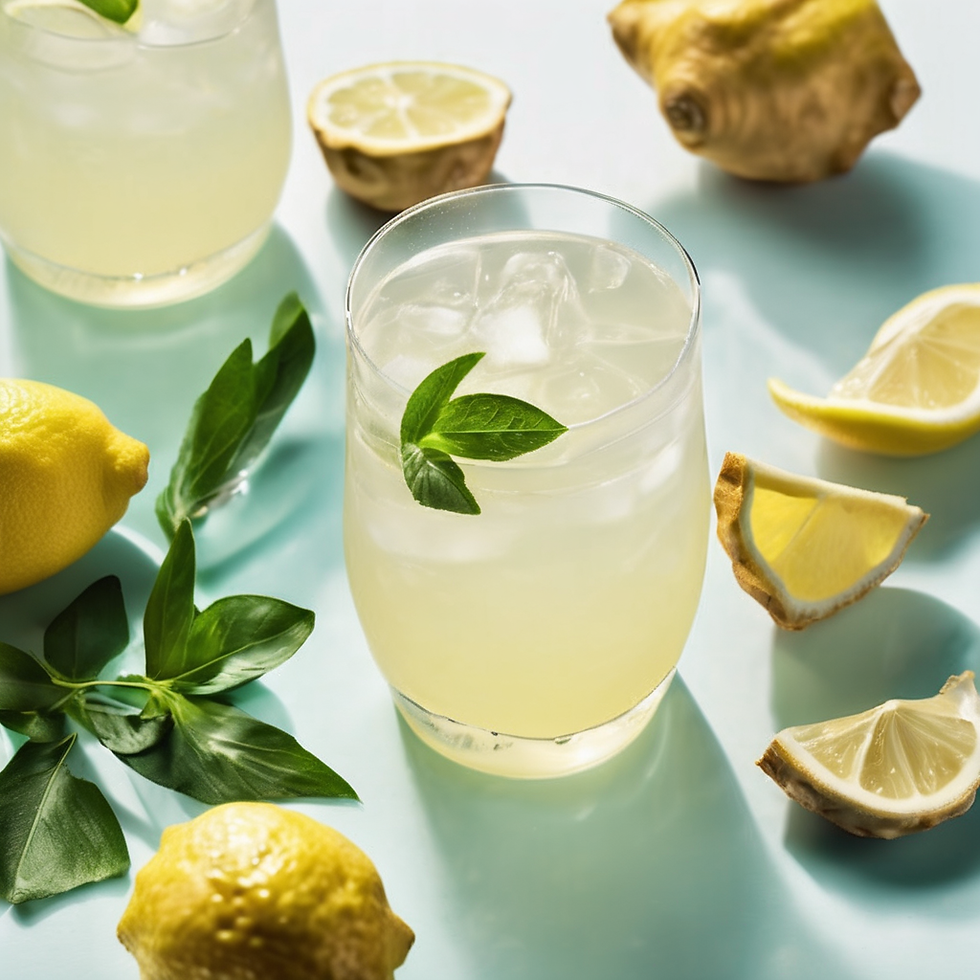
Sparkling water with citrus (lemon, lime, grapefruit)
Infused water (mint, cucumber, berries)
Herbal iced teas (no sugar, no caffeine)
Electrolyte water (low-sugar or unsweetened)
💡 Tip: Drinking from glass or cans feels more premium and satisfying—helping replace the ritual of alcohol without the downside.
How Much Water Should You Drink to Lose Weight?
Hydration plays a direct role in appetite control, metabolism, and energy.

General Guideline
2.5–3 litres per day for most adults
More in hot weather, exercise, or physical work
Aim for regular intake throughout the day, not all at once
Signs you’re under-hydrated include fatigue, headaches, sugar cravings, and brain fog—often mistaken for hunger.
Protein Intake for Weight Loss (Simple Guide)
Protein is essential for fat loss, muscle maintenance, and staying full.
Recommended Intake
1.6–2.2g of protein per kg of body weight per day
Example:
70kg person → 110–150g protein daily
Protein helps:
Reduce cravings
Preserve lean muscle
Increase calorie burn through digestion
What Should You Eat While Trying to Lose Weight?
Focus on whole, simple foods that support hydration and satiety.
Build Meals Around:
Lean proteins: fish, chicken, eggs, tofu, Greek yoghurt
Vegetables: leafy greens, cucumber, zucchini, tomatoes
Healthy fats: olive oil, avocado, nuts (moderation)
Complex carbs: legumes, oats, quinoa, sweet potato
Avoid liquid calories where possible—especially alcohol and sugary drinks.
The Simple Weight-Loss Formula That Works
If you want a clear, realistic approach:
Remove alcohol
Drink enough water daily
Hit your protein target
Eat whole foods
Sleep well
Most people see changes quickly just by addressing hydration and alcohol first.
Final Thought: Hydration Is a Lifestyle Choice
Rehydrating properly—especially in warm weather—is about more than thirst. It’s about clarity, energy, and control over your health. Choosing alcohol-free hydration supports weight loss, digestion, and long-term wellbeing, without sacrificing enjoyment


Comments